


Connecticut OUI Defense: How Field Sobriety Tests Can Be Challenged
Field sobriety tests in Connecticut OUI cases are often presented as scientific proof of impairment — but they are far from reliable. These roadside tests are deeply subjective, affected by a wide range of physical and environmental conditions, and routinely administered improperly. If you were charged with an OUI in Connecticut based in part on field sobriety test results, those results may be challengeable — and challenging them effectively can change the outcome of your entire case.
Attorney J. Christopher Llinas — Iron Chris — has successfully challenged field sobriety test evidence in Connecticut courts throughout his career as both a prosecutor and a defense attorney. He knows exactly how this evidence is packaged for juries — and exactly where it unravels. Whether you’re dealing with a first OUI arrest in Connecticut or a repeat charge, the quality of your evidence challenge matters enormously.
The Three Standardized Tests — And Why They Fail
Connecticut law enforcement officers are trained to administer three tests developed by the National Highway Traffic Safety Administration (NHTSA). Each has significant vulnerabilities:
- Horizontal Gaze Nystagmus (HGN): The officer tracks involuntary eye jerking as an object moves across your field of vision. This test requires precise administration and is affected by fatigue, certain medications, neurological conditions, and even caffeine. Without proper training, officers frequently misread results.
- Walk-and-Turn: Heel-to-toe walking along a line, a turn, and a return. Balance, footwear, road surface conditions, and physical limitations all affect performance in ways that have nothing to do with alcohol.
- One-Leg Stand: Standing on one foot for 30 seconds. Obesity, inner ear conditions, age over 65, and uneven pavement all independently affect this test regardless of sobriety.
Specific Grounds Attorney Llinas Investigates in Every Case
The challenge to field sobriety test evidence isn’t theoretical — it’s built on specific, documentable failures in how the tests were conducted:
- Improper verbal instructions: NHTSA protocols require officers to deliver exact verbal instructions before each test. Any deviation from the approved script can invalidate the results — a point also relevant in cases involving OUI involving alcohol
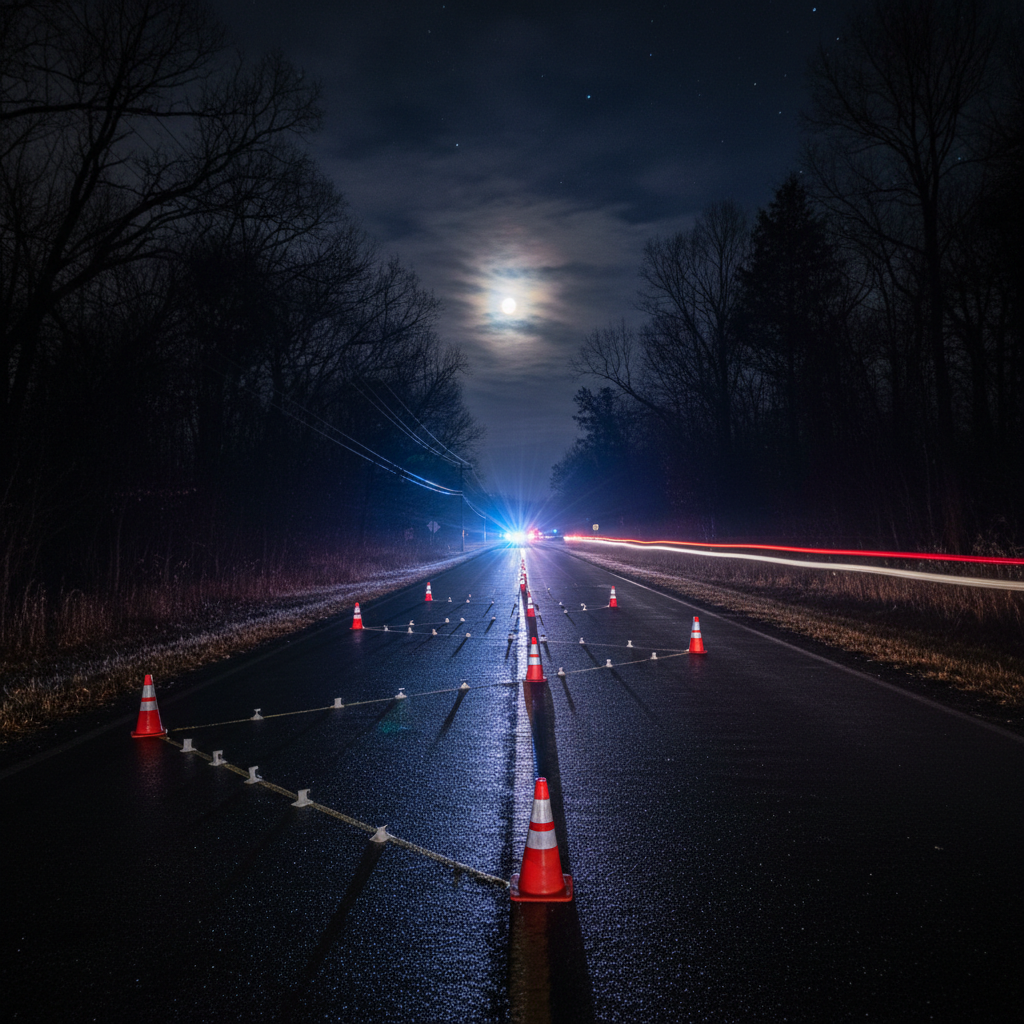
- Environmental conditions: Tests conducted on uneven pavement, gravel, in the dark, in rain, or on a sloped surface are less reliable — and the failure is the officer’s for conducting the test under those conditions
- Medical and physical conditions: Back problems, knee injuries, neurological conditions, and body weight all independently affect performance on balance-based tests. The NHTSA training manual itself lists these disqualifying factors
- Officer training and certification records: Officers must be properly trained and certified to administer standardized tests. Attorney Llinas obtains and scrutinizes training records in every case
- Dashcam and bodycam footage: Video evidence frequently contradicts the officer’s written report of how the tests were performed — a tool that is equally valuable in cases like commercial driver OUI where consequences are especially severe
Non-Standardized Tests Are Even More Vulnerable
Some officers administer non-standardized tests — counting backward, reciting the alphabet from a middle letter, or the finger-to-nose test. None of these have scientific validation for measuring alcohol impairment. Attorney Llinas aggressively contests the admission and weight of any non-standardized test results in Connecticut OUI prosecutions under Connecticut evidentiary standards established by the Connecticut Judicial Branch.
Frequently Asked Questions
| Question | Answer |
|---|---|
| Are field sobriety tests mandatory in Connecticut? | No. You have the right to decline field sobriety tests. Declining cannot be used as proof of guilt, though the officer may still arrest you based on other observations. |
| Can field sobriety test results be suppressed in court? | Yes. If tests were improperly administered or conducted under unsuitable conditions, a judge may exclude the results from evidence entirely. |
| What if a medical condition affected my test performance? | Medical conditions are a legitimate and frequently successful defense. Attorney Llinas works with clients to document physical limitations that independently explain test performance. |
| Does dashcam footage help my OUI case? | Very often yes. Video frequently shows better performance than the officer’s report describes, and it exposes procedural errors the officer failed to document. |
Challenge the Evidence — Call Iron Chris Today
Field sobriety tests are not the end of your Connecticut OUI case — they are the beginning of a defense. Iron Chris Criminal Defense & Immigration scrutinizes every piece of evidence from the moment of the traffic stop through trial. Call 860-530-1781 24/7 or visit the contact page to start your defense today.
About Iron Chris Criminal Defense & Immigration
Iron Chris Criminal Defense & Immigration serves clients across Connecticut from offices in Middletown and Hartford. Attorney J. Christopher Llinas is a former prosecutor and public defender with extensive experience defending OUI, DUI, criminal, and immigration cases statewide.
